

Heaven Nance
Medical
Experimentation






Objective


Greetings and introduction
Hi, it's your host Heaven and today we are going to discuss how racist ideology contributes to pseudoscience. We will then apply this knowledge and the practice of pseudoscience to medical experimentation; The purpose of this presentation is show how racist ideology affects the quality and distribution of healthcare for Black and Brown people.
Exploration of how racism impacts medical care
We will solely focus on medical experimentation in America. This historical breakdown will be spilt down into 3 different eras (Crania Americana, Father of Gynecology, and Tuskegee, Alabama), ranging from the 1800's to modern day America.
What is Pseudoscience?

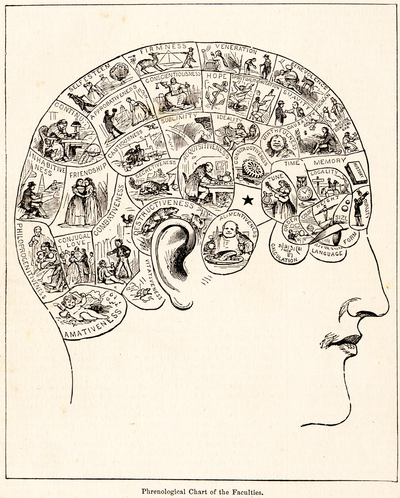
Pseudoscience is defined as “A collection of beliefs or practices mistakenly regarded as being based on scientific method.” In short pseudoscience claims to be scientific and factual but this “science” is incompatible with the scientifc method.
Some examples of pseudoscience are Phrenology, Miasma, Chiropractors [shared ideology in Eastern Culture]. Forms of pseudoscience don’t just stop with healthcare.

Photo courtesy of Wikipedia.
Crania Americana

Crania Americana (1839)
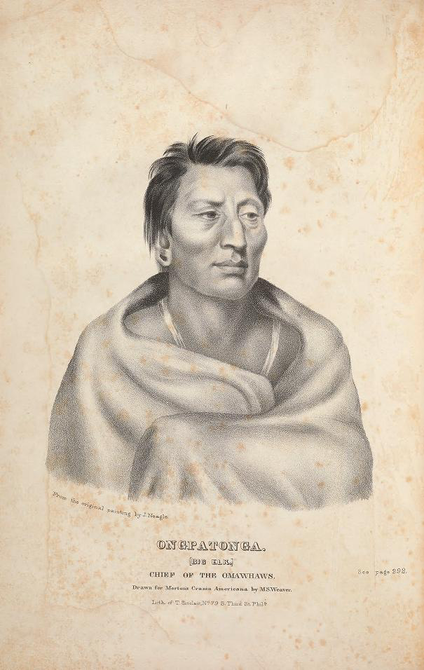
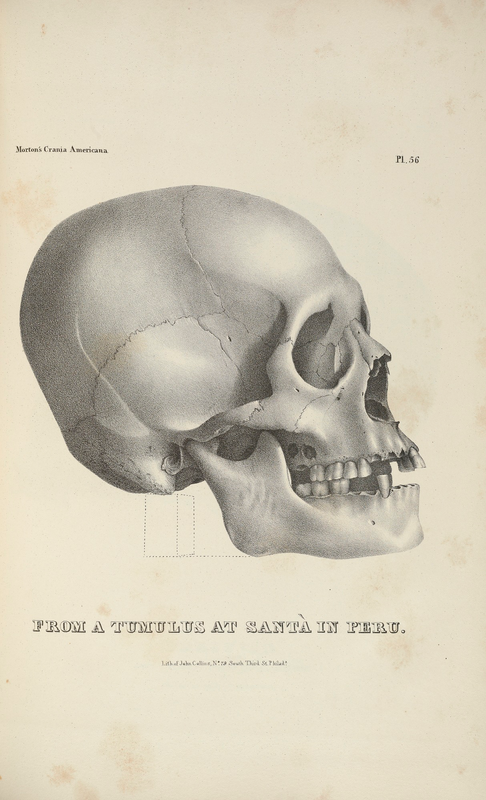
Crania Americana is an 1839 book written by Samuel G. Morton (scientist and physician). Crania Americana uses phrenology to explain why Caucasians are the superior race compared Native Americans (and other racial/ethnic groups).
What makes phrenology a pseudoscience? Phrenology is the study of the conformation of the skull as indicative of mental faculties and traits of character. It ignores that fact that there are other outside factors that contribute to behavior. Behavior is not always inherent.
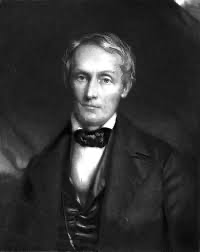
Photo courtesy of Penn Museum.
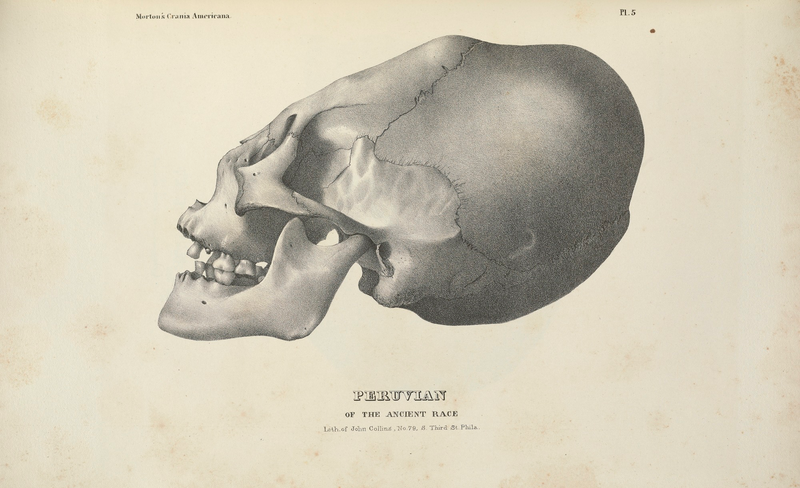
These are photos from ‘’Crania Americana. This skulls are extracted from different ethnic groups and individuals. These photos are trying to depict that with these different focal points (shape, points, dents) it proves that Caucasians are superior.
Photos are courtesy of Smithsonian Libraries and Internet Archive.

Effects of Success

Dead to Living
During this time most experimentation was done on the dead, but with the success of Crania Americana, people felt the need to know if revelations could as be seen within the living.
Religion
“The 19th century in particular saw a flourishing of pseudoscientific ideas, including spiritualist ideas presented as science in the US & UK.” (CSUN) Religion was used to justify racial discrimination
Malpractice
Because of these findings, Caucasians now had justification as to why certain groups deserved to be removed from white society. [i.e. Trail of Tears]
Assumptions
This also popularize the idea that other racial/ethnic had “different” body parts compared to Caucasians (Black people in particular).


Medicine becoming a profession
Dead to Living Experimentation
While medicine was becoming a profession, scientists were using their “resources” to help perfect their craft. They used slaves to test their theories.
A brief history on medicine becoming a profession
“Professional societies began regulating medical practice by examining and licensing practitioners as early as 1760. By the early 1800s, the medical societies were in charge of establishing regulations, standards of practice, and certification of doctors.” (MedlinePlus)
Father of Gynecology
Racialized Medicine
The concept racialized medicine comes out of this era. There were 2 types of doctors, Docs. that specialized in enslaved bodies & Docs. that had White clients but practiced on slaves
The enslaved
Enslaved individuals were the perfect candidates for experimentation because of the misconceptions that they had other body parts and couldn't feel pain (plus they were considered property
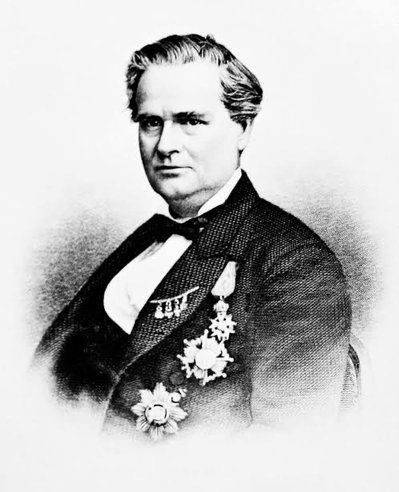
James Marion Sims
J. Marion Sims
Before Alabama
Dr. Sims was gynecologist [credited as the Father of Gynecology] who lived in Lancaster, SC but moved to Alabama after 2 infants died in his care.
In Alabama
In Alabama, he used slaves from a local plantain where he created a lot of revolutionary surgical practices and equipment while working on enslaved Black women. When carrying out these experiments he wouldn’t put the women under anesthesia (despite being a common growing practice.)
Photo courtesy of Wikipedia.
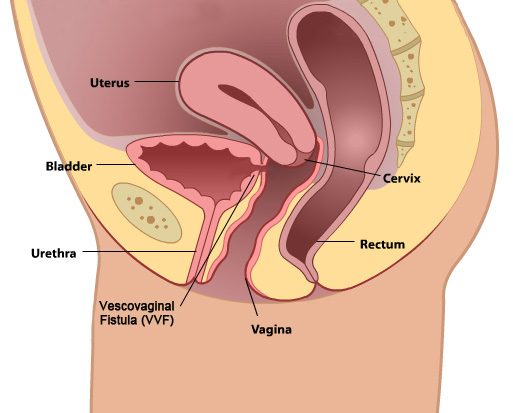
Vesicovaginal Fistula: “The bladder is separated from the vagina, completely excising the fistula margin and adjacent fibrotic tissue. The bladder and vagina are closed separately with a single layer of full thickness-interrupted 2-0 Vicryl sutures. An omental flap or pericolic fat is interposed between the bladder and vaginal suture lines. “ (National Institutes of Health)
Surgery is the only way to close the opening. If left untreated there is an increased risk of Cancer or other health issues.
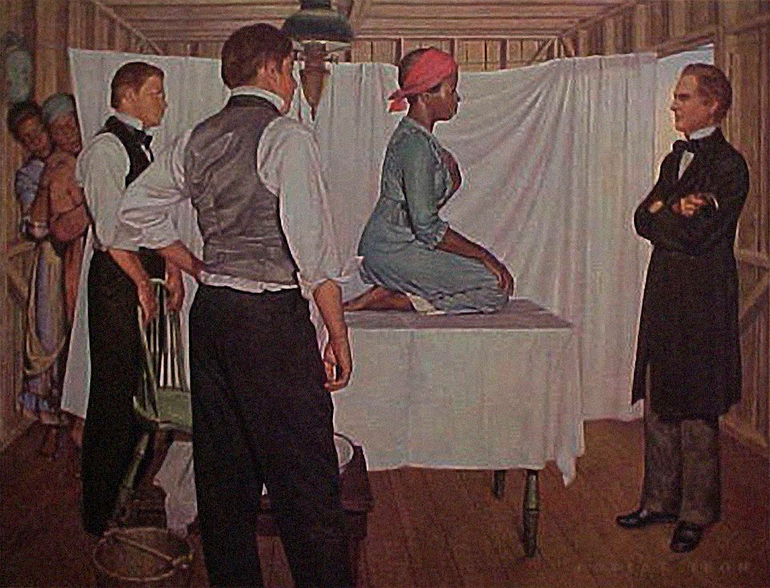
Photos courtesy of American Historical Association & Gynecologic Surgery
Additional Resources: https://www.healthline.com/health/womens-health/vesicovaginal-fistula
Advancements

Exploring ethical dilemmas in medical research and practice
After leaving Alabama, Dr. Sims went back to South Carolina where a became hugely successful. Sims made lots of money and tripled his clientele; It is unknown what happened to the women he experimented on but most likely if they suffered any health complications, they would have succumb to their issues.
Tuskegee, Alabama
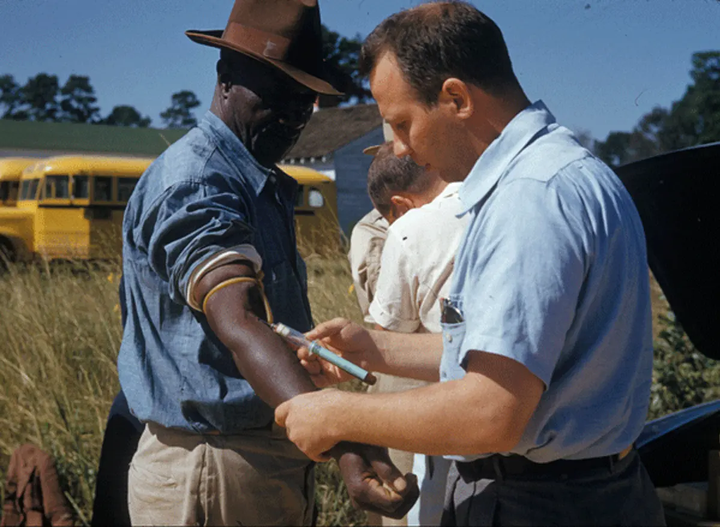
Discussing how healthcare officials experiment on people through loopholes.

As syphilis rates raised in America “The Tuskegee experiment began in 1932, at a time when there was no known cure for syphilis, a contagious venereal disease. After being recruited by the promise of free medical care, 600 African American men in Macon County, Alabama were enrolled in the project, which aimed to study the full progression of the disease.” (History)
Photo courtesy of the History Network.
Reasoning Behind Tuskegee
Illusion
After the 14th amendment you “couldn’t” do things that were outright human rights violations but could certain things [loopholes] under the gaze of the law or science.
Denial
Lured into the study under the gaze of treating “bad blood”. They were telling people they were treating them but withheld treatment despite knowing penicillin cures syphilis [since 1947].
Treatment
The main reason the study continued was because it was believed that syphilis affected the races differently. [Whites - Neuro, Blacks - Cardio]

Release
It was only until 1972 that the press learned the truth about Tuskegee. Initially USPHS wanted to silence the story until Jean Heller broke it to the press.
Neglectful Healthcare
How?
This experiment did not seem unethical because men voluntarily enrolled. Also if they stayed in the study they’d get a proper funeral, if they could perform autopsies on them after death.
Discussing efforts to silence wrong doings.
“By that time [1972], 28 participants had perished from syphilis, 100 more had passed away from related complications, at least 40 spouses had been diagnosed with it and the disease had been passed to 19 children at birth.” (History)
Aftermath
Fear
Due to this experiment and many others it makes Black and Brown people very distrustful of healthcare professional [iatrophobia] and unlikely to visit a physician even at risk to their own health.

Healthcare Treatment
Because of racist ideals being taught in medicine, it effects how physicians distrubt treatment to their Black and Brown patients. This puts BIPOC patients at a disporting rate for health problems or death.
Photo courtesy of Endometerosis.net
Further Improvements & Research
Improvements to Healthcare delivery
The first step is unlearning racist rhetoric taught in healthcare. By doing that you can improve you delievery of treatment to paitents and you will be able to connect with your BIPOC by showing you understand their distrust & will listen to their concerns
Further Research
Unfortunately, this not even the tip of the iceberg when discussing medical experimentation of the past. If you are curious about the subject I would recommend researching the Northern Manitoba Nutrient Experiment [for starters].
Works Cited
Berman, Jacob. “Doctor of Medicine Profession (MD): MedlinePlus Medical Encyclopedia.” Medlineplus.gov, medlineplus.gov/ency/article/001936.htm#:~:text=Professional%20societies%20began%20regulating%20medical.
Nix, Elizabeth. “Tuskegee Experiment: The Infamous Syphilis Study.” History, A&E Television Networks, 16 May 2017, www.history.com/news/the-infamous-40-year-tuskegee-study.
“Pseudosciences of the 19th Century | CSUN University Library.” Library.csun.edu, 14 Nov. 2017, library.csun.edu/SCA/Peek-in-the-Stacks/pseudoscience.
Stamatakos, Michael, et al. “Vesicovaginal Fistula: Diagnosis and Management.” Indian Journal of Surgery, vol. 76, no. 2, 14 Dec. 2012, pp. 131–136, https://doi.org/10.1007/s12262-012-0787-y.
“Tuskegee Study - Timeline - CDC - NCHHSTP.” Www.cdc.gov, 3 May 2021, www.cdc.gov/tuskegee/timeline.htm#:~:text=Participants.
Vox. “The US Medical System Is Still Haunted by Slavery.” Www.youtube.com, 7 Dec. 2017, youtu.be/IfYRzxeMdGs?si=Qn5YdfRcYPsZrAVO. Accessed 29 Apr. 2024.
Thank you for your attention
-Heaven ;)